
Concrete Evaluation in a Navigational Lock
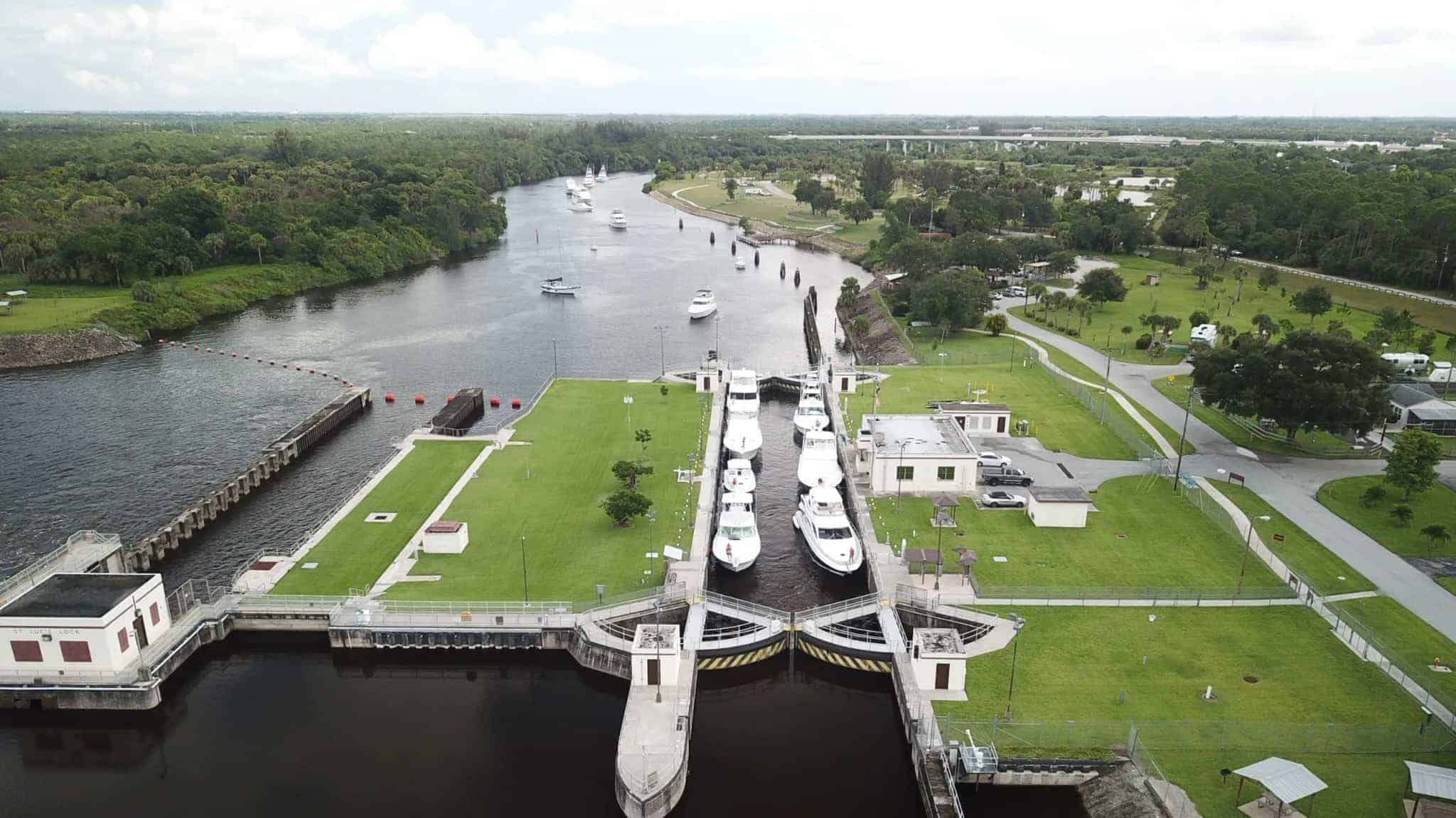
A 40-year old Navigational Lock on the Kissimmee River showed several defects on the concrete walls including removal of patches of cement paste which has exposed several aggregates. Stakeholders needed a concrete evaluation to know the cause of damage prior to repairing the structure.
- Date: 22 September, 2010
- Project Type: Maintenance Phase
Concrete Evaluation in a Navigational Lock Project
Challenge
A 40-year-old navigational lock on the Kissimmee River exhibited deterioration along its concrete walls, including areas where cement paste had been removed and aggregate had become exposed. Before repairs could be planned, stakeholders needed to determine the cause and extent of the concrete damage.
Services Performed
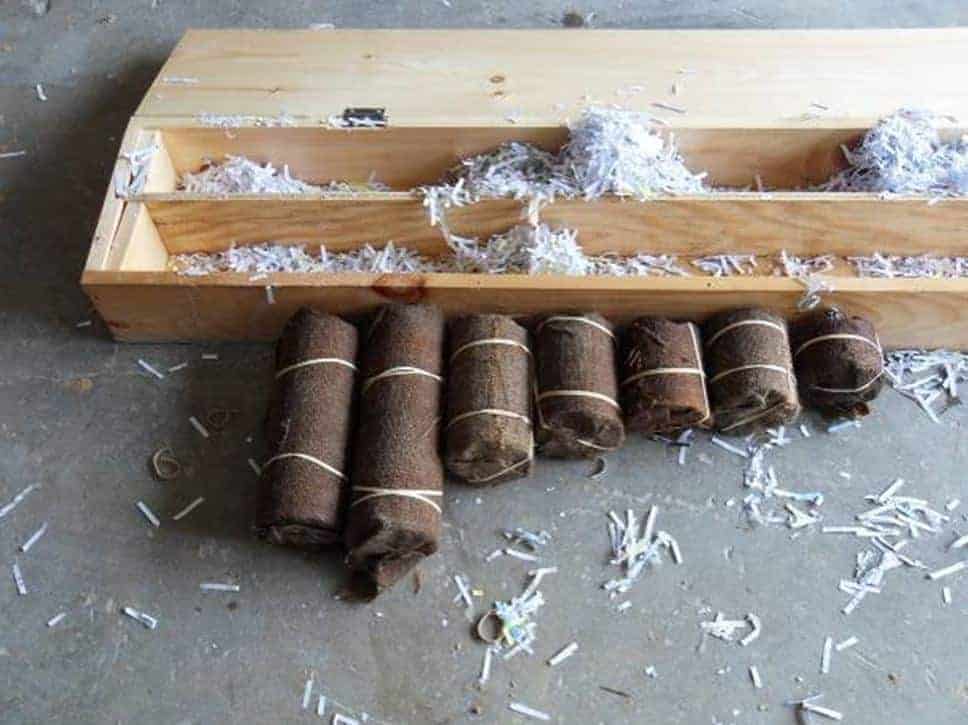
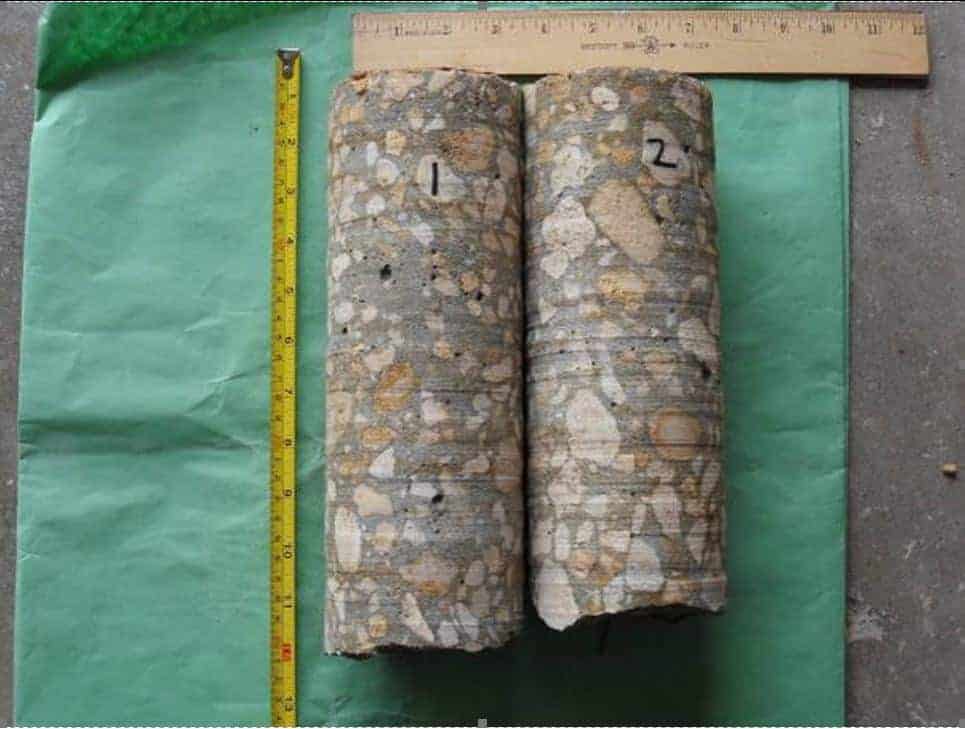
C3S, Inc. evaluated concrete cores taken from the navigational lock and performed laboratory testing to assess concrete strength, composition, microstructure, and potential deterioration mechanisms.
Testing Methods
The investigation included:
- ASTM C42 — Compressive Strength of Concrete Cores
- Scanning Electron Microscopy (SEM) — examination of concrete microstructure and hydration products.
- X-Ray Diffraction (XRD) — identification of crystalline phases and potential reaction products.
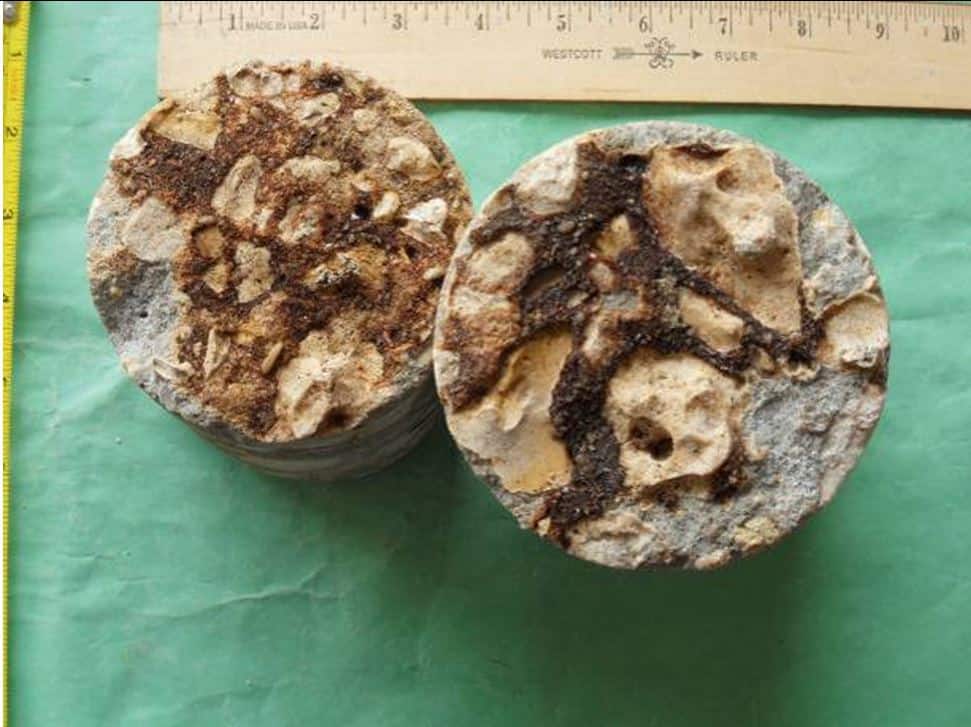
- Petrographic Examination — evaluation of aggregate, cement paste, voids, cracking, and deterioration products.
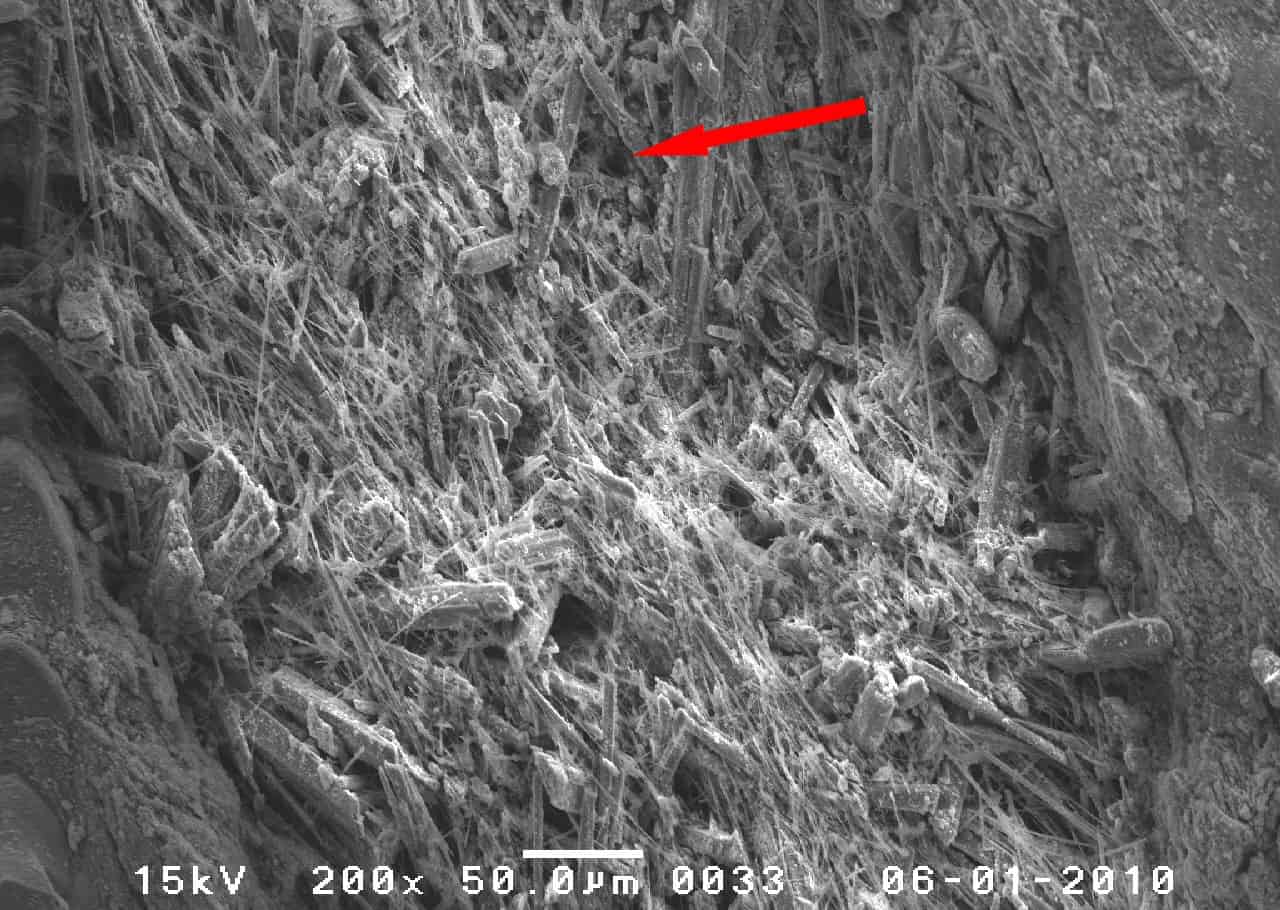
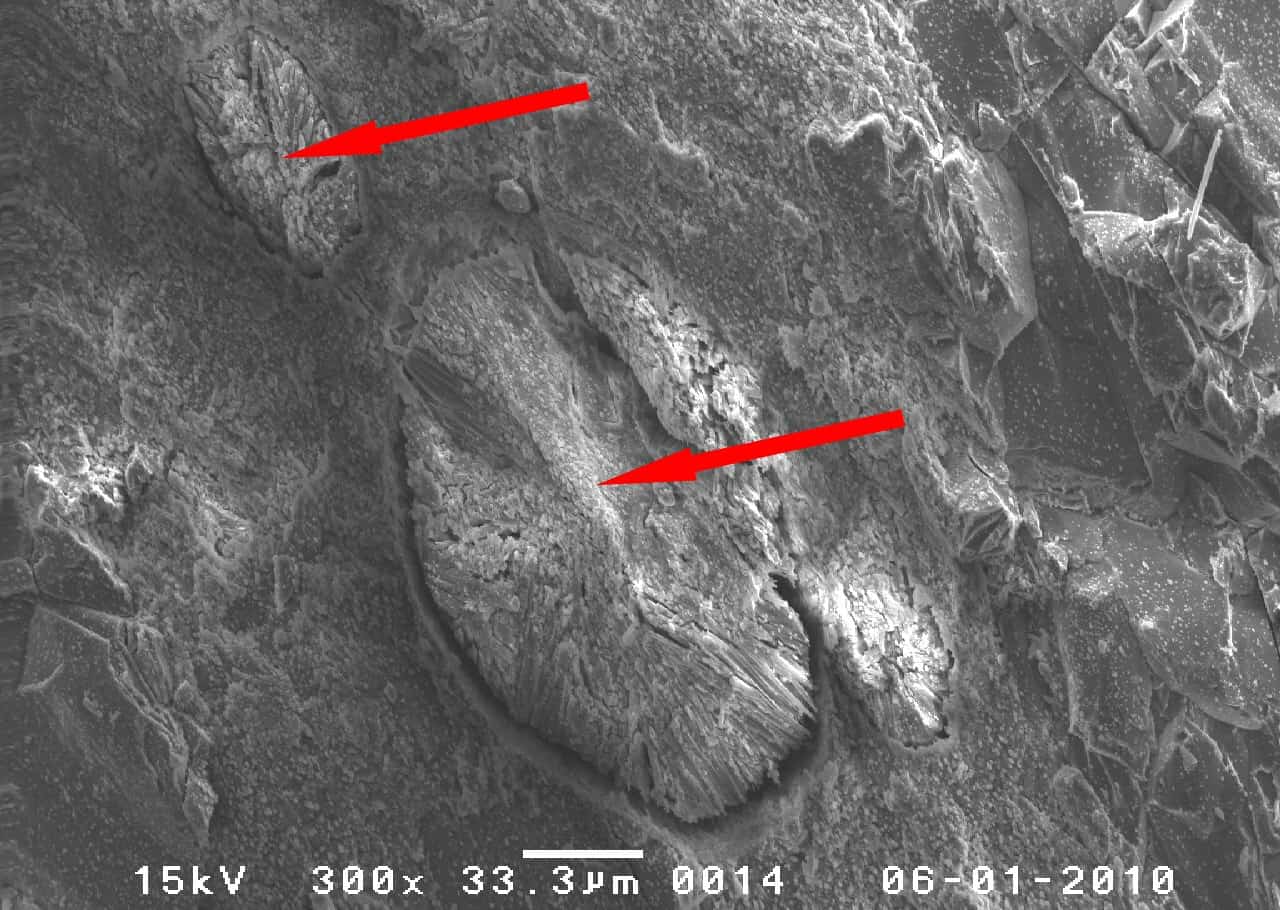
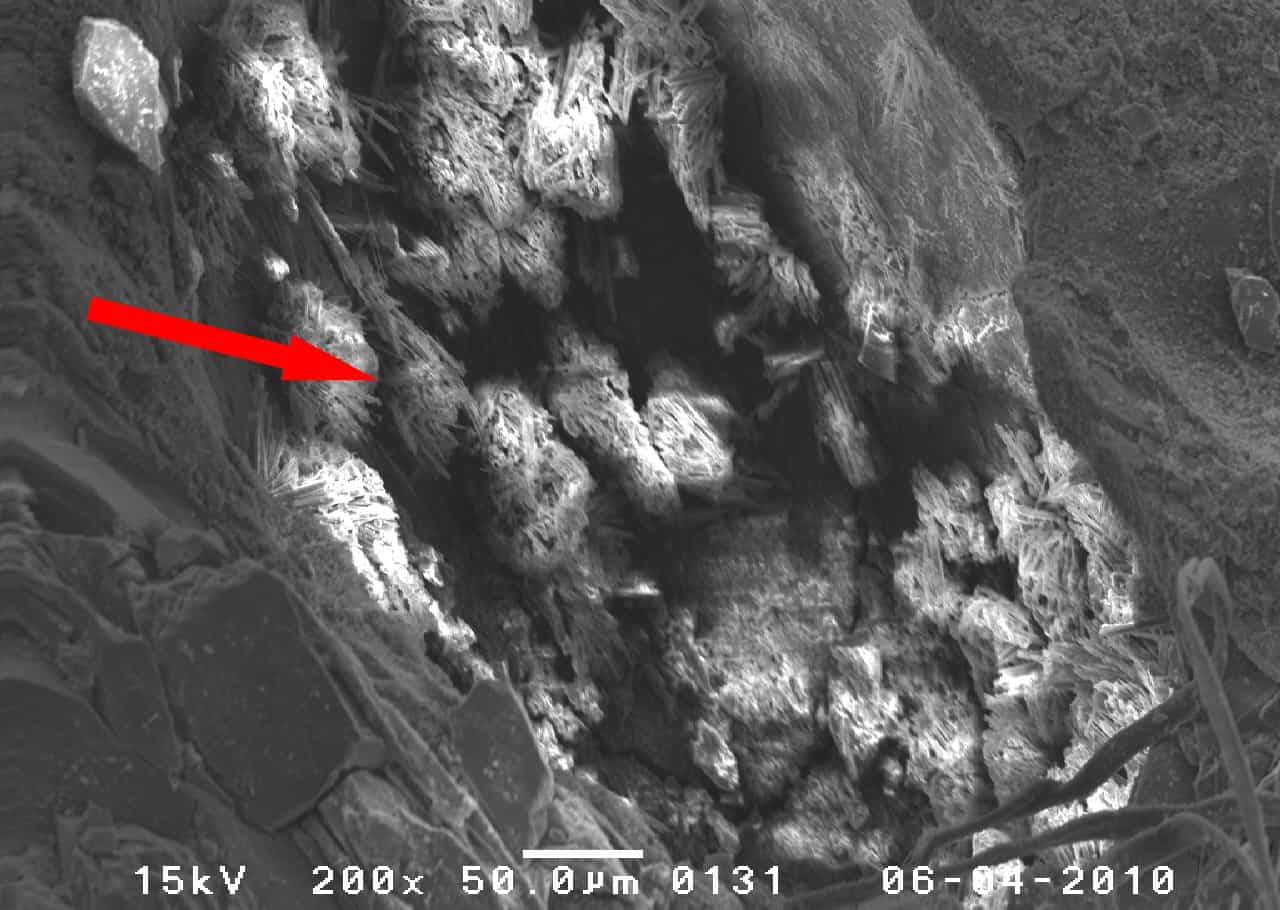
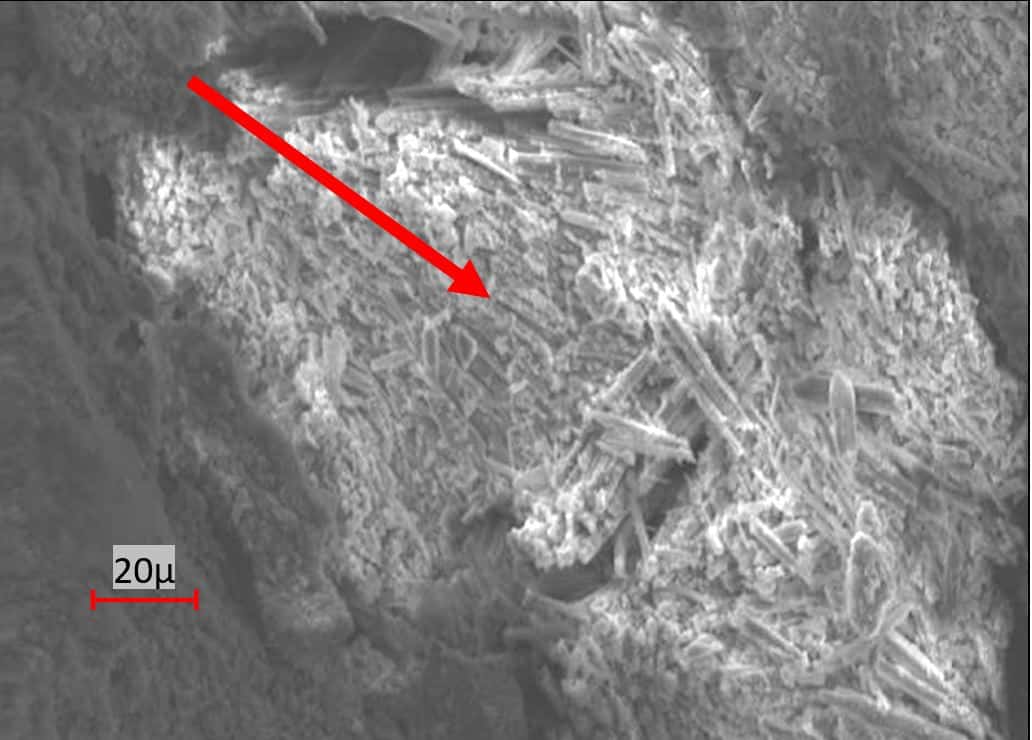
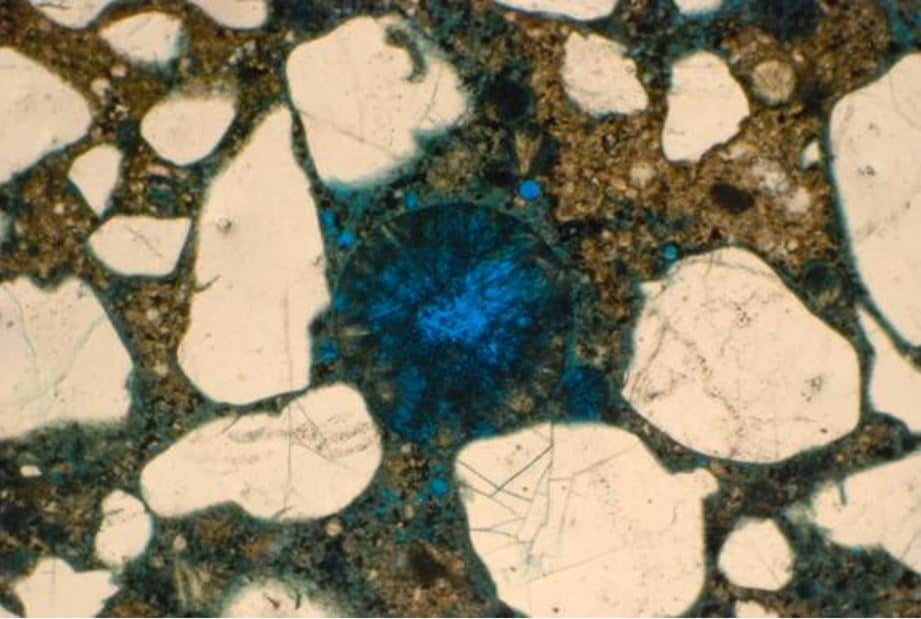
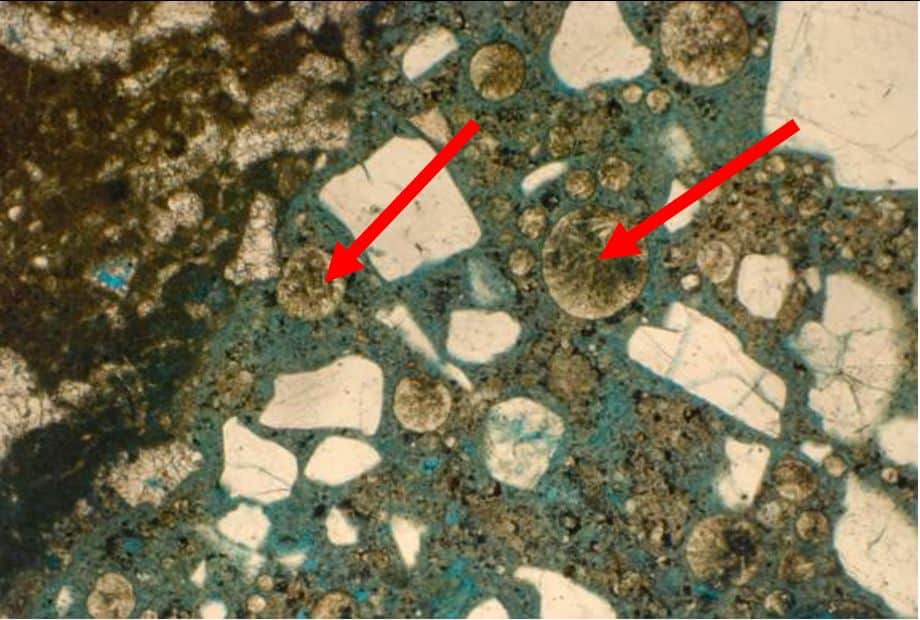
4. Petrographic analysis of samples revealed varying levels of formation of ettringite in voids of Samples
Findings
Compressive strength testing of four selected cores produced results ranging from approximately 1,840 to 2,700 psi.
XRD analysis of mortar extracted from selected cores identified predominantly quartz and calcite, with minor amounts of ettringite and calcium hydroxide.
SEM examination revealed ettringite formation within concrete voids, including areas containing concentrated and densified hydration products. Petrographic examination similarly identified varying levels of ettringite formation, including clusters of needle-like crystals within voids and voids substantially filled with reaction products.
Outcome
C3S, Inc. determined that sulfate-related deterioration was a probable contributor to the observed concrete damage. The formation of ettringite within the concrete was associated with weakening of the cement paste and was consistent with the exposed aggregate and relatively low compressive strength observed in the tested cores.
Given the age of the structure and its navigational environment, exposure to sulfates potentially introduced through fertilizer-containing runoff into the river and lock system was identified as a possible source contributing to the deterioration.
The investigation provided stakeholders with technical information needed to understand the deterioration mechanism and evaluate appropriate repair requirements.
Featured Services:
- Concrete Durability Investigation
- Petrographic Analysis
- SEM Analysis
- XRD Analysis
- Compressive Strength Testing
- Sulfate Attack Evaluation
Get Expert Answers for Your Concrete Challenges
Not sure what’s causing your concrete issue? Our specialists provide clear, data-backed insights to help you make the right decision fast and confidently.

Consulting Engineers
Concrete Experts
CONTACT INFORMATION
C3S, Inc.
7100 Regency Square Blvd.
Suite 183
Houston, TX 77036