
Engineering Standards & Technical Resources
Explore C3S technical resources covering concrete materials, forensic investigation, testing methodologies, and applicable engineering standards. These resources provide practical technical guidance for understanding concrete performance, identifying causes of failure, and evaluating construction materials using established industry standards and advanced laboratory methods.
Our Engineering & Technical Resources
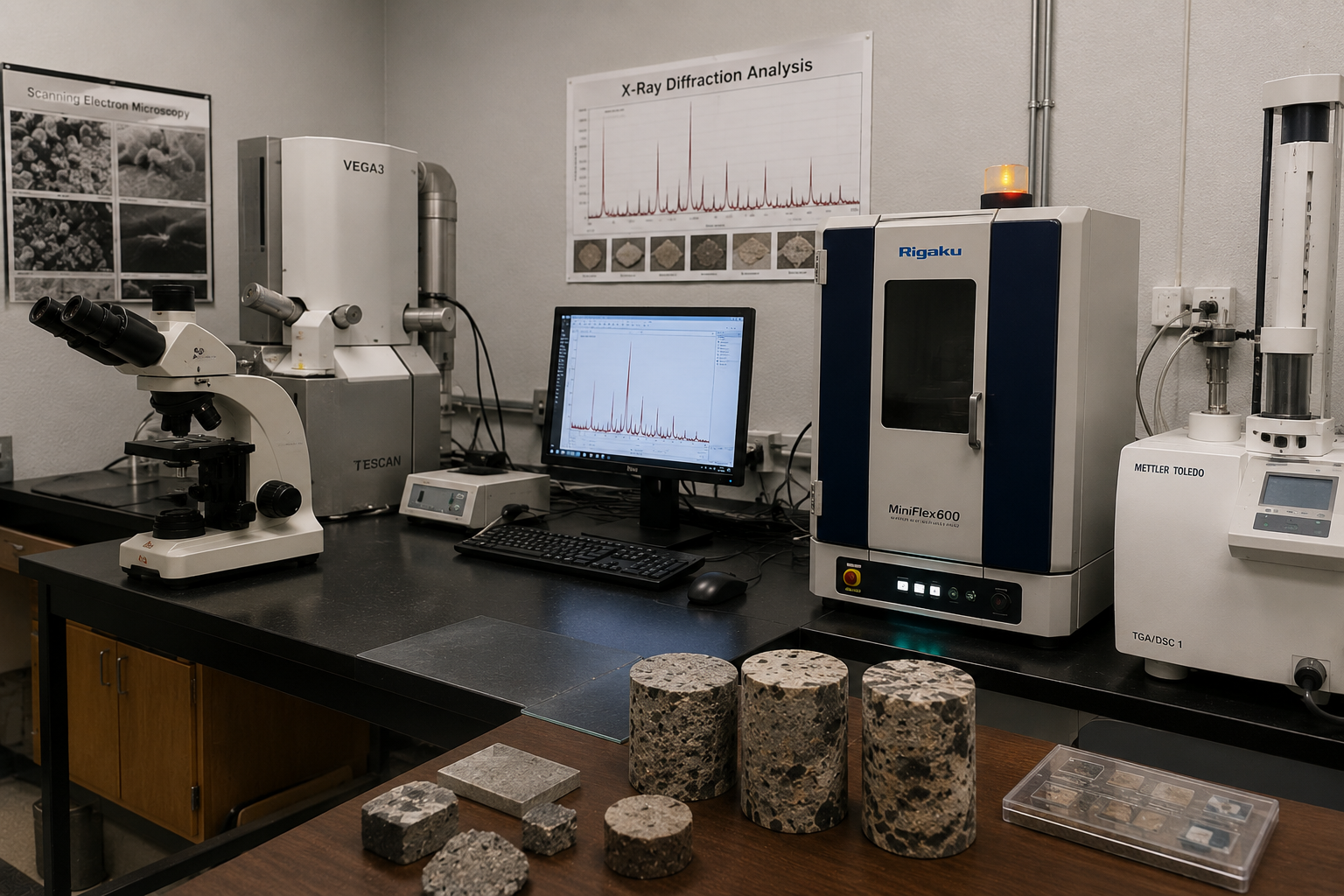
Petrographic Examination
What is Petrographic Examination ?
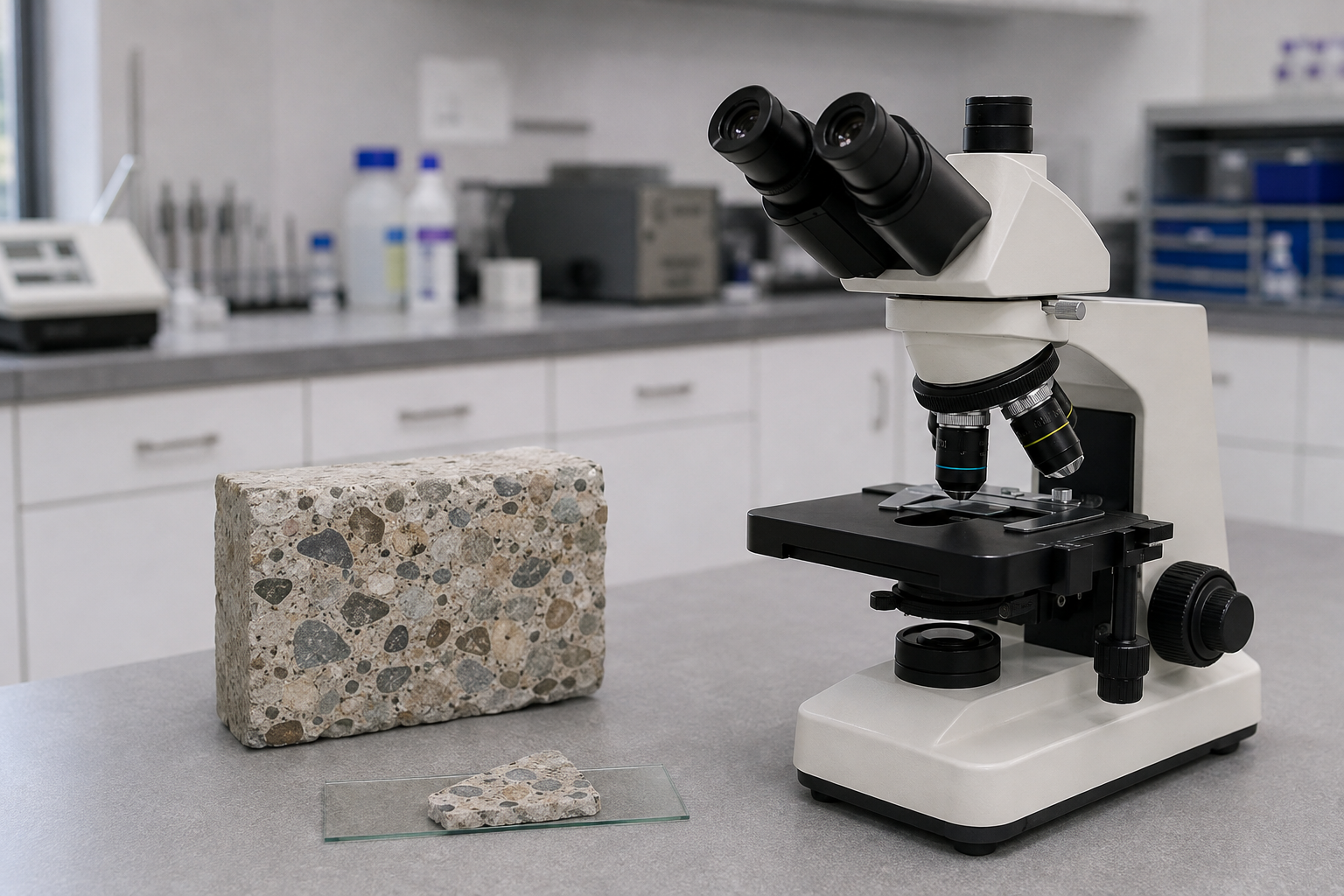
Petrographic examination uses microscopic analysis of concrete samples to identify the materials, internal structure, and causes of deterioration or failure. C3S evaluates cracks, air voids, aggregate-paste interaction, chemical reactions, and other defects using recognized methods, including ASTM C856.
What We Evaluate
- Concrete paste and aggregate characteristics
- Cracks, voids, and internal defects
- Air-void system and distribution
- Aggregate-paste interaction
- Signs of chemical or physical deterioration
- Construction-related deficiencies
- Evidence of distress or failure mechanisms
Cement Chemistry
What is Cement Chemistry ?
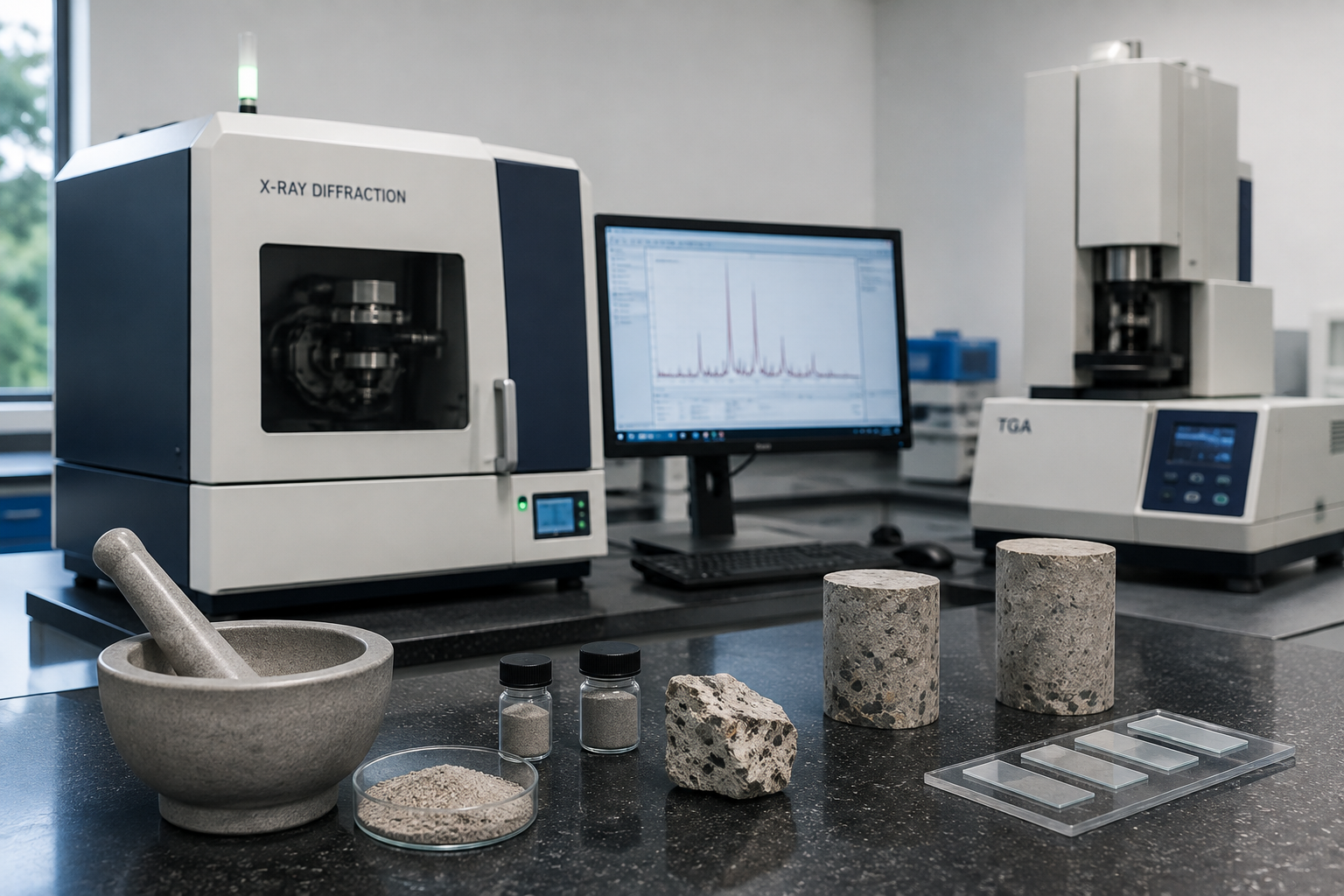
Cement chemistry plays a critical role in understanding concrete performance, durability, and failure. C3S evaluates cement composition, hydration products, and chemical interactions within concrete to determine how cement-related conditions may contribute to cracking, deterioration, strength loss, or other forms of distress.
What We Evaluate
- Cement composition and mineral phases
- Cement hydration and hydration products
- Chemical and mineralogical characteristics
- Cement-related deterioration and distress
- Unusual or unexpected concrete behavior
- Interactions between cementitious materials and other concrete components
Fly Ash Evaluation
What is Fly Ash Evaluation ?
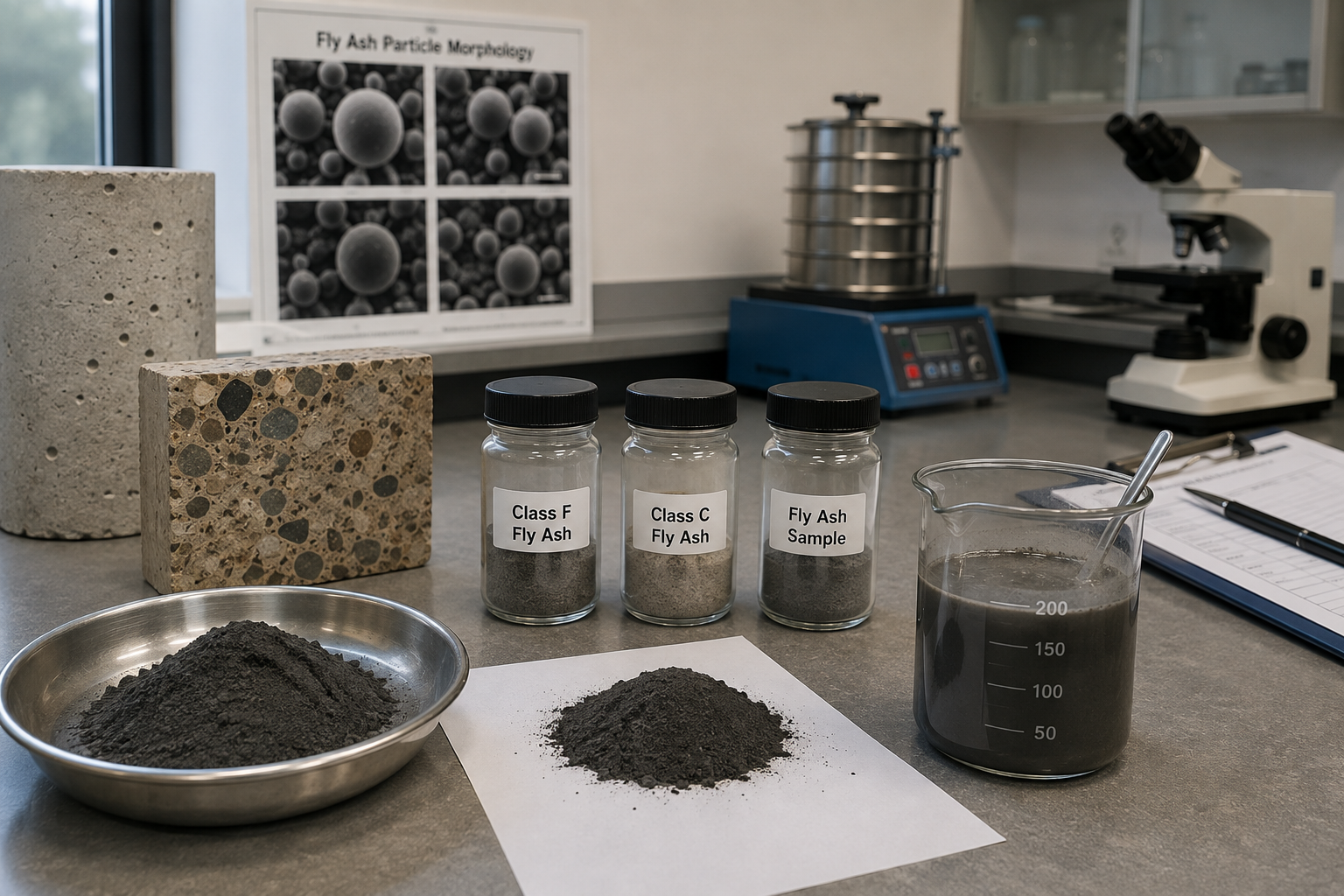
Fly ash is a widely used supplementary cementitious material that can significantly influence concrete strength, durability, workability, and long-term performance. C3S evaluates fly ash characteristics and its interaction with cement and other concrete components to determine whether the material is performing as intended and whether it may be contributing to concrete distress.
What We Evaluate
- Fly ash physical and chemical characteristics
- Pozzolanic behavior and reactivity
- Fineness and particle characteristics
- Mineralogical composition
- Quality and consistency of the material
- Compatibility with cement and other concrete constituents
- Potential effects on strength and durability
Concrete Testing Methodologies
What is Concrete Testing Methodologies ?
C3S uses a combination of established laboratory and forensic testing methodologies to evaluate concrete materials, identify internal defects, characterize chemical and mineralogical composition, and determine the mechanisms responsible for deterioration or failure. The appropriate testing program is selected based on the condition of the concrete and the specific questions that need to be answered.
What We Evaluate
- Concrete microstructure and internal defects
- Cement hydration and material composition
- Cracking and deterioration mechanisms
- Aggregate condition and compatibility
- Chemical and mineralogical changes
- Strength and physical properties
- Contamination and foreign materials
- Failure mechanisms and root causes
- Compliance with applicable ASTM standards
ASTM Standards & Testing References
What is ASTM Standards & Testing References ?
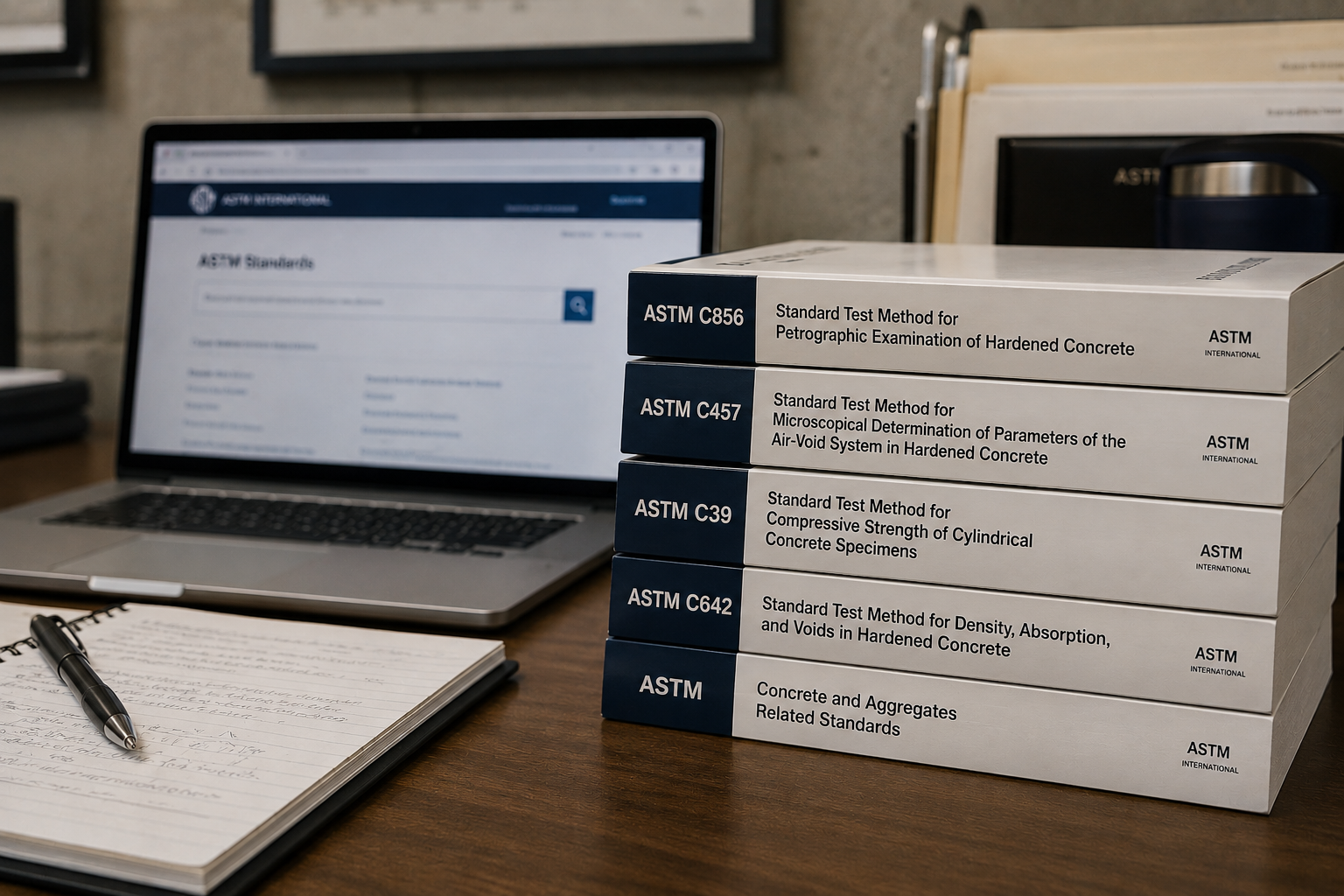
C3S uses applicable ASTM standards and established testing procedures to support laboratory testing, concrete evaluation, and forensic investigations. This resource provides a convenient reference to commonly applicable standards, with links to the official ASTM source for detailed requirements and procedures.
What We Evaluate
- Petrographic condition and concrete microstructure
- Air-void system and distribution
- Compressive strength and physical properties
- Density, absorption, and permeable voids
- Material quality and composition
- Concrete deterioration and distress
- Compliance with applicable ASTM requirements
- Testing procedures and laboratory results
Technical Publications & Resources
What is Technical Publications & Resources ?
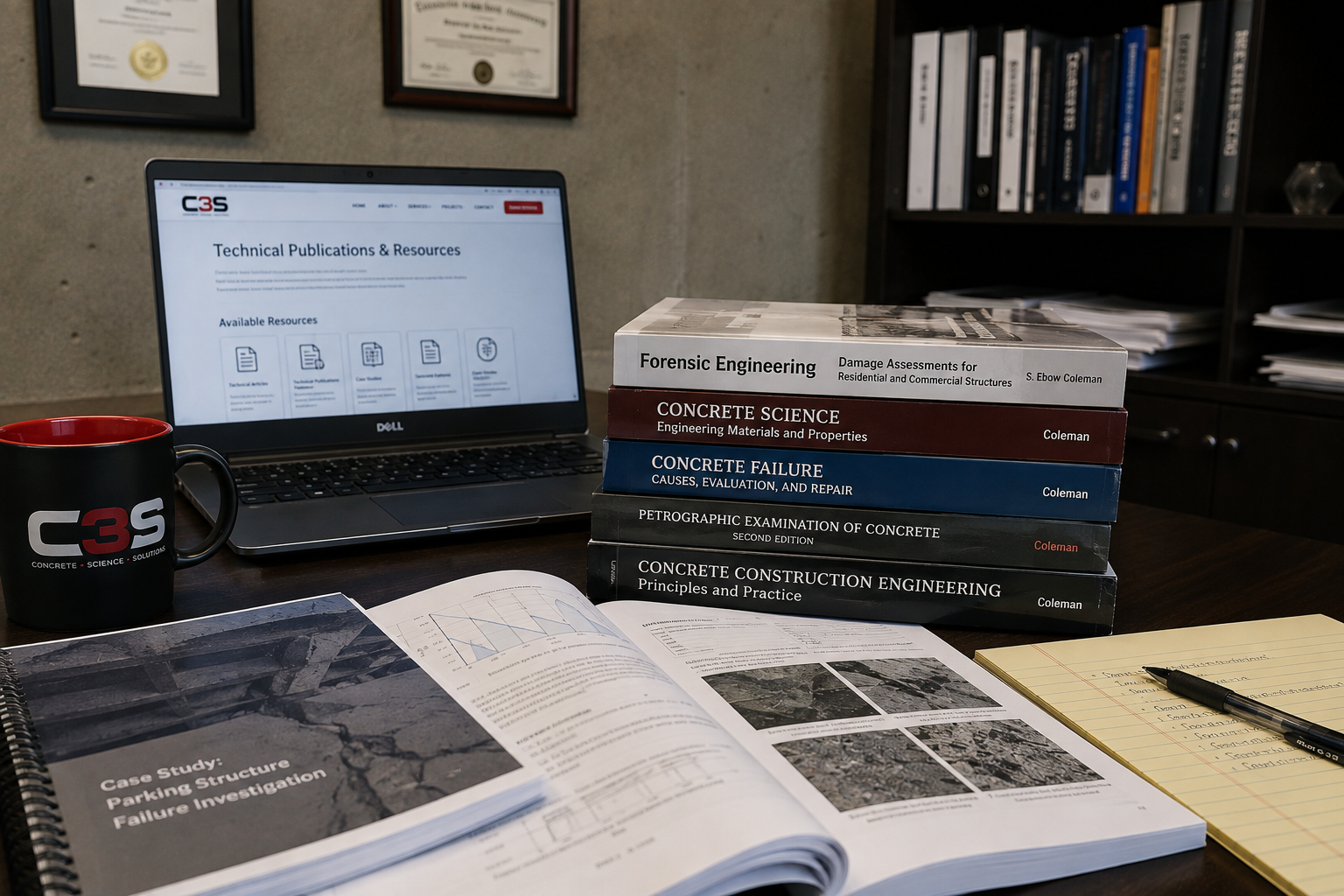
Explore technical publications, research, case studies, and educational resources from C3S and Dr. S. Ebow Coleman. These resources provide practical insight into concrete materials, forensic investigation, testing methodologies, engineering standards, and the evaluation of concrete failures.
What We Evaluate
- Concrete failure mechanisms
- Materials and construction deficiencies
- Laboratory and field investigation findings
- Forensic testing and analysis
- Engineering standards and specifications
- Technical interpretation and expert opinions
Get Expert Answers for Your Concrete Challenges
Not sure what’s causing your concrete issue? Our specialists provide clear, data-backed insights to help you make the right decision fast and confidently.
Discover How We Can Help
Consulting Engineers
Concrete Experts
CONTACT INFORMATION
C3S, Inc.
7100 Regency Square Blvd.
Suite 183
Houston, TX 77036